Candle in Hand Silhouette Vector Design Review
As a designer who spends more time than I care to admit staring at stitch patterns and debating thread weights, I approach every new machine embroidery design with a mix of hope and skepticism. We have all been there: you find a beautiful graphic online, download it, and then spend hours trying to make it translate into something that doesn’t look like a muddy blob on the fabric. Today, I am evaluating the Candle in Hand Silhouette Vector Design, an Illustrations category piece marketed as a high-quality unique digital product. My goal here is not just to describe what it looks like on a screen, but to determine if it holds up when the needle starts moving.
The First Impression: Mood and Visual Personality
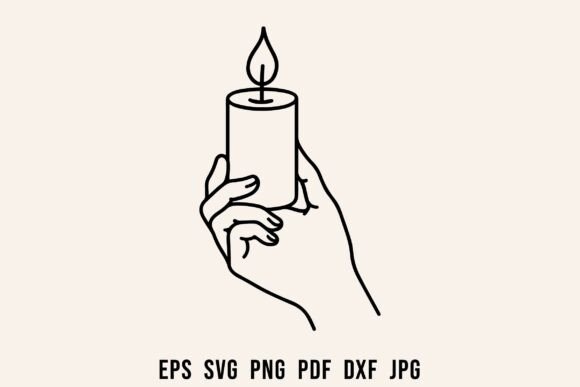
When I first loaded the vector file into my digitizing software, the immediate takeaway was its clean, minimalist aesthetic. The silhouette format is inherently powerful because it relies on negative space and strong outlines rather than complex internal detailing. This creates a specific mood—warm, intimate, and slightly nostalgic. It evokes the feeling of a quiet evening, perhaps reading by candlelight or setting a romantic table.
For embroidery designers and Etsy sellers, this visual personality is a double-edged sword. On one hand, silhouettes are incredibly versatile. They work beautifully on dark fabrics where the white or light-colored thread pops against the background. On the other hand, because the design lacks internal texture, it demands precision. If the satin stitch outlining the hand or the candle body is even slightly off, the entire image can lose its definition. However, from a pure design standpoint, the composition feels balanced. The curve of the hand leading to the flame creates a natural focal point that guides the eye upward, which is excellent for vertical placements on garments or home decor items.
Real-World Application: From Screen to Stitch
I decided to test this embroidery file in a scenario that is common for small business owners: creating a line of personalized gifts for the holiday season. Specifically, I imagined using this design on a cozy, oversized sweatshirt or a sturdy canvas tote bag. These are staple items for any craft business looking to expand their inventory without overcomplicating production.
In the case of a sweatshirt embroidery project, the silhouette works exceptionally well. Because sweatshirts often feature bold, simple graphics, the clean lines of the candle design fit right in. It adds a touch of sophistication without being overly busy. I also considered a baby item, such as a muslin blanket or a onesie. In these contexts, the design takes on a softer meaning—perhaps symbolizing warmth, safety, or the "light" of a new life. For baby embroidery, simplicity is key, and this design delivers exactly that. It is gentle enough for a nursery theme but distinct enough to stand out as a premium handmade product.
Another practical use case I explored was an embroidered patch. Silhouettes translate very well to patches because they require fewer color changes and less intricate stitching than detailed portraits. This makes them faster to produce, which is crucial for commercial embroidery operations where time equals money. A customer buying a custom patch for their denim jacket or backpack would appreciate the crisp, graphic look that this design provides.
Where Caution Is Required
While the design has many strengths, no single pattern fits every situation. There are specific scenarios where the Candle in Hand Silhouette Vector Design might struggle if not handled with care.
- Small Hoop Sizes: If you attempt to digitize this design into a very small hoop (under 4x4 inches), the details of the fingers and the flame may become indistinguishable. Embroidery machines need a certain amount of physical space to execute stitches cleanly. Shrinking the design too much results in a loss of clarity.
- Textured Fabrics: Using this on heavily textured materials, like bouclé or thick chenille, can obscure the fine lines of the silhouette. The uneven surface interferes with the needle’s path, potentially causing puckering or missed stitches.
- Stretchy Fabrics: While jersey knits are popular for t-shirts, they require careful stabilizer usage. Without proper support, the tension of the fill stitch or dense satin stitch areas can distort the shape of the hand.
- Dense Stitch Areas: Although it is a silhouette, if the outline is too thick, it can create a heavy, stiff area on the fabric. This is particularly noticeable on lightweight tea towels or delicate pillow covers, where the stiffness detracts from the softness of the textile.
Impact on Product Value and Brand Consistency
From a branding perspective, using high-quality design assets like this one signals professionalism to your customers. When a buyer sees a clean, well-executed embroidery design on a finished product, it builds trust. It suggests that the seller cares about detail and quality. Conversely, a poorly digitized version of the same design can make a brand look amateurish.
This design supports brand consistency because of its neutral yet emotional theme. It can be used across various product lines—from kitchen textiles like tote bag design accents or aprons, to apparel. The versatility allows a small shop product creator to maintain a cohesive aesthetic while offering diverse items. Furthermore, because it is a vector-based source, it can be easily adapted into different colorways. You might offer a gold foil print version for luxury packaging or a multi-color thread version for vibrant summer collections.
Practical Designer Notes for Implementation
Before committing this design to a full production run, I strongly recommend taking a few preparatory steps. These habits protect your reputation and save you material costs.
- Test on Scrap Fabric: Always stitch a sample on the exact fabric you plan to use. This reveals how the thread colors interact with the material’s weave and sheen.
- Check Stitch Density: Review the digitization settings. Ensure that the stitch density is appropriate for the fabric weight. Too dense, and the fabric will pucker; too sparse, and the backing will show through.
- Confirm Hoop Size: Verify that the final design dimensions fit comfortably within your machine’s maximum hoop size, leaving room for margin adjustments.
- Inspect Small Details: Zoom in on the flame and fingertips. Are the connections between elements clear? Do they risk merging during the stitching process?
- Test Black and White Mockups: View the design in grayscale to ensure contrast levels are sufficient. This helps predict how it will look on monochromatic garments.
- Use Proper Stabilizer: The choice of stabilizer (cut-away vs. tear-away) depends on the fabric. For stretchy materials, a cut-away stabilizer is usually necessary to maintain integrity after washing.
- Review Licensing: Since this is a digital embroidery file, check the license terms carefully. Confirm whether you are allowed to sell the finished physical products. Some licenses restrict commercial use, while others allow it only with a certain number of units.
Final Verdict
The Candle in Hand Silhouette Vector Design is a solid addition to any embroidery project library. Its strength lies in its simplicity and emotional resonance. It is not a complex narrative piece, but rather a mood setter. For creative entrepreneurs and makers looking to add a touch of elegance to their handmade product offerings, this design offers a reliable, stylish option.
It performs best when paired with high-quality threads and appropriate fabric choices. By respecting the technical limitations of embroidery—such as hoop size and fabric texture—you can transform this digital asset into a tangible, cherished item. Whether it ends up on a holiday gift tag, a boutique wedding favor, or a daily-use kitchen towel, the design carries a quiet confidence that appeals to modern buyers. Just remember to do your testing, respect the licensing, and let the quality of your execution speak for itself.