Easter Bunny Basket Embroidery Review
As a designer who spends more time staring at stitch density charts than sleeping, I approach every new digital asset with a mix of skepticism and hope. When I stumbled upon the Free Easter Bunny with Basket Clipart, categorized under Freebies and Graphics, I didn’t just see a cute image; I saw potential inventory for my small shop. The description promises a high-quality unique design in a ZIP folder, ready to print. But for an embroidery professional, "ready to print" is only half the battle. The real question is: how does it translate from a flat graphic into a tactile, stitched reality?
I recently tested this design concept by preparing a custom embroidered tote bag for a local craft fair, aiming to create a spring-themed personalized gift. My goal was to evaluate whether this machine embroidery design could hold its own against premium paid files and if it would resonate with customers looking for handmade authenticity.
First Impressions and Visual Personality
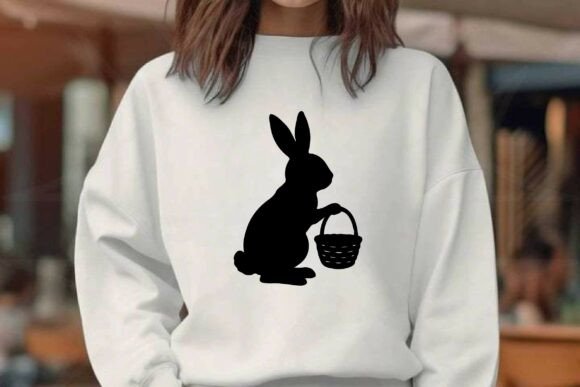
The moment you open the file, the mood is immediately established. This isn’t a rigid, corporate-style vector; it has a soft, organic personality that screams "spring." The layout centers around a charming bunny holding or sitting near a basket, which naturally lends itself to themes of renewal, gifting, and celebration. Visually, the shape feels balanced. For an embroidery project, balance is everything. If the visual weight is too heavy on one side, the stitching can distort the fabric.
What stood out immediately was the detail level. In the world of digital embroidery file assets, too much detail often leads to a muddy mess when stitched, while too little looks cheap. This design strikes a practical middle ground. It relies on clear shapes rather than intricate, hair-thin lines that might break during high-speed stitching. It feels like an applique design waiting to happen, or perhaps a clean fill-stitch composition that emphasizes texture over minute details. The visual appeal suggests it belongs firmly in the realm of holiday embroidery, specifically for spring markets.
Real-World Application: From Screen to Stitch
To truly judge this asset, I simulated its use across several common products. First, the tote bag design. Placing the Free Easter Bunny with Basket Clipart on a canvas tote is a classic move for any Etsy seller or small shop product owner. Because the design has strong outlines and distinct areas, it translates beautifully onto textured fabrics like cotton canvas. The contrast between the thread colors and the natural fabric creates a professional look that elevates the perceived value of the item.
I also considered its application on sweatshirt embroidery. Spring weather is unpredictable, but pastel hoodies are always in demand. Here, the design’s simplicity shines. On a thicker fleece or cotton blend, fine details might get lost, but the main silhouette of the bunny and basket remains crisp. It works well as a chest-sized accent, offering a subtle nod to the season without overwhelming the garment. This makes it ideal for custom apparel targeting teens or young adults who prefer understated aesthetics.
For baby embroidery, the softness of the theme is a major asset. Whether applied to a burp cloth, a onesie, or a nursery pillow cover, the design conveys warmth and care. Parents are buying emotional value as much as they are buying a physical object. A well-executed version of this clipart on a baby item signals attention to detail and quality, which builds trust with buyers who are hesitant to purchase handmade goods online.
Technical Considerations and Fabric Challenges
No design is perfect for every surface. As a reviewer, I must point out where caution is required. While this graphics asset is versatile, it demands respect for fabric limitations. If you attempt to stitch this on thin, stretchy jersey knits without proper stabilization, the hoop size constraints will likely cause puckering. The stitch density needs to be checked against the fabric weight. For delicate materials, a lighter underlay or a tear-away stabilizer might be necessary to maintain the integrity of the finished product.
Dark fabrics present another variable. If the original clipart relies on white highlights or light pastels, stitching these on a navy or black background requires careful thread selection. You don’t want the thread colors to blend into the background, losing the definition of the bunny’s features. I recommend testing light threads on dark scraps first to ensure the contrast holds up after washing.
Curved surfaces, such as caps or hats, also pose a challenge. The design’s layout should be evaluated for curvature. If the basket or bunny elements have sharp corners, they may not lay flat on a curved brim. In such cases, simplifying the running stitch details or adjusting the placement within the hoop size limits is crucial. For embroidered patch applications, however, the design is robust enough to withstand edge finishing and frequent handling.
Design Assets for Commercial Use
For commercial embroidery professionals, the licensing terms are paramount. The product description notes it is a digital product delivered via ZIP folder. Before incorporating this into your craft business inventory, verify if the license allows for commercial sale of finished items. Many free assets are restricted to personal use only. Assuming commercial rights are granted, this design offers excellent ROI because the acquisition cost is zero, allowing for higher profit margins on your handmade product listings.
It also serves as a powerful tool for marketing. Creating a printable mockup featuring the Free Easter Bunny with Basket Clipart on various backgrounds can drive engagement on social media. Buyers love to visualize the final result. A high-quality preview showing the design on a linen apron or a wooden sign (if used for sublimation/transfer) can significantly boost click-through rates for your Etsy listings.
Practical Designer Notes for Execution
Before committing this design to your best customer’s order, follow these steps to ensure professionalism:
- Test on Scrap Fabric: Always run a test stitch on a piece of the actual fabric you plan to use. This reveals issues with tension, thread friction, or color bleeding that simulations cannot show.
- Check Stitch Density: Ensure the fill stitch areas are not too dense, which can make the fabric stiff and uncomfortable, especially for apparel or blankets.
- Inspect Small Details: Zoom in on the digital file. Are there tiny isolated stitches that might break? Simplify these areas if possible to improve durability.
- Black and White Mockup: View the design in grayscale to check contrast levels. If the design lacks depth in monochrome, it may lack dimension in color as well.
- Stabilizer Selection: Match your stabilizer to the fabric. Heavy cut-away for knits, lightweight tear-away for wovens. Proper support prevents distortion.
- Licensing Confirmation: Double-check the terms. Can you sell unlimited quantities? Is attribution required? Clarity here protects your brand consistency and legal standing.
Final Verdict
The Free Easter Bunny with Basket Clipart is a solid addition to any designer’s library, particularly for those focusing on seasonal markets. Its strength lies in its versatility and clear visual language. It performs exceptionally well on tote bags, aprons, and nursery decor, offering a charming aesthetic that customers respond to positively. However, success depends on technical execution—proper stabilization, appropriate hoop sizing, and thoughtful thread choices.
For the creative entrepreneur looking to expand their design assets without increasing overhead, this digital file provides a low-risk, high-potential opportunity. Just remember: the clipart is the blueprint, but your craftsmanship is what sells the product. Treat it with the same rigor you would a premium paid file, and it will serve your small business well.