Hiker Walking Mountain Trekking Vector Review
As a designer who spends more time than I care to admit staring at digitized files and testing stitch samples, I have learned that the difference between a "nice image" and a "sellable product" often comes down to how well a design translates from screen to fabric. Today, I am putting Hiker Walking Mountain Trekking Vector through its paces. This isn't just about looking at a pretty picture; it is about evaluating whether this digital asset holds up when subjected to the tension of an embroidery hoop, the friction of a needle, and the scrutiny of a customer browsing Etsy or a local craft fair.
First Impressions: Mood and Visual Personality
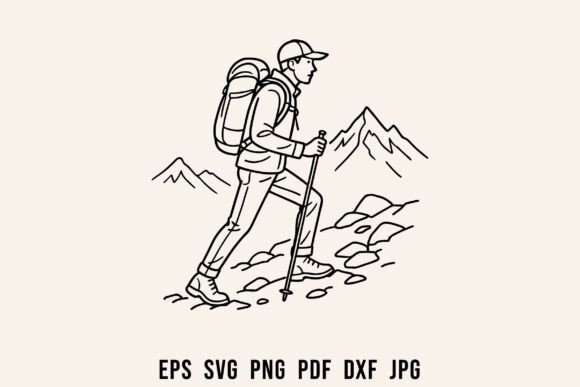
When you first load Hiker Walking Mountain Trekking Vector into your design software, the immediate takeaway is its clean, vector-based simplicity. In the world of Illustrations and Graphics, this category usually demands a high level of detail to justify its price point, but here, the strength lies in its silhouette. The design captures the essence of outdoor adventure without getting bogged down in unnecessary complexity. It feels rugged yet approachable, creating a mood that is perfect for modern, minimalist aesthetics.
For an embroiderer, this clarity is crucial. A design that is too busy can turn into a muddy mess of thread if the digitization isn't flawless. This vector format suggests a strong foundation for a clean machine embroidery design. The visual personality is confident—it doesn't shout, but it stands out. It feels like the kind of graphic that belongs on a well-worn leather satchel or a sturdy canvas tote bag, rather than something delicate and ornate.
Real-World Application: From Screen to Stitch
Let’s talk about where this design actually shines. I recently imagined using this file for a custom order: a set of personalized aprons for a client who loves hiking. The concept was simple—embroider the hiker on the chest pocket area. Because Hiker Walking Mountain Trekking Vector relies on strong lines and clear shapes, it translates beautifully to apron embroidery. The contrast between the thread and the fabric becomes the star of the show, not the intricate details of the mountain peaks.
This same logic applies to sweatshirt embroidery. Imagine a cozy, heather-gray crewneck with this design centered on the back or placed modestly over the heart. The vector nature of the source file means that when converted into an embroidery file, the edges remain sharp. For small business owners and Etsy sellers, this reliability is key. You want designs that look professional even if the operator makes minor adjustments to the placement. This design forgives small errors because its core identity is built on bold, recognizable forms.
I also see this working exceptionally well for embroidered patches. Whether used as a morale patch on a backpack or as a badge on a denim jacket, the clean lines allow for a neat border finish. If you are creating a line of craft business items, such as tote bag design options, this graphic adds a touch of wanderlust that resonates with a broad audience. It is versatile enough for custom apparel targeting men, women, and even children who enjoy the outdoors.
The Baby and Nursery Angle
Don’t overlook the potential for baby embroidery. While mountains might seem rugged, the stylized nature of this vector can be softened with pastel thread colors. Think of a tiny hiker on a muslin burp cloth or a onesie. The personalized gift market is huge, and parents love unique, non-traditional themes. This design offers a fresh alternative to standard animals or clouds, appealing to modern parents who value experiences and nature.
Where Caution Is Required
No design is perfect, and Hiker Walking Mountain Trekking Vector has specific constraints that every embroidery project planner must consider. First, avoid attempting this on extremely small hoop sizes unless you are simplifying the digitization. If the original vector contains fine details that represent rock textures or distant trees, these may disappear entirely when stitched at a 4-inch height. Always inspect small details before committing to production.
Textured fabrics present another challenge. While linen or burlap can add charm, they can also obscure the clean lines of a vector design. On a tea towel or a rough-weave pillow cover, the definition might get lost. Stick to smoother fabrics like cotton twill, polyester blends, or stable knits for the best results. Furthermore, be careful with stretchy fabrics. Without proper stabilizer support, the tension of the threads can pucker the material, distorting the hiker’s posture and ruining the aesthetic.
Dense stitch areas should also be monitored. If the digitizer chose heavy fill stitch for the hiker’s clothing, it might become stiff and uncomfortable, especially on garments like caps or hats that need to drape naturally. Test the hand-feel of the finished product. If it feels like a hard plastic plaque, it is too dense. Adjusting the stitch type to include more running stitch or lighter satin stitch elements can improve comfort and wearability.
Practical Designer Notes for Success
Before you start selling finished products or listing digital assets, follow these practical steps to ensure quality:
- Test on Scrap Fabric: Never run a new design directly onto your final product. Use scrap pieces of the exact fabric you plan to sell. This reveals issues with thread breakage, puckering, or color clashes early.
- Check Thread Color Contrast: The success of a black-and-white vector design depends entirely on thread choice. On dark fabric, light threads pop, but on light fabric, you need darker or contrasting colors. Experiment with metallics or variegated threads to add depth, but keep it subtle to maintain the design's integrity.
- Review Stitch Density: Ensure the stitch density is appropriate for the fabric weight. Heavy density on thin fabric will cause damage; light density on thick fleece may not cover adequately.
- Confirm Hoop Size: Verify that the design fits comfortably within your machine’s maximum hoop size, leaving room for placement adjustments.
- Inspect Small Details: Zoom in on the digitized version. Are any lines too thin to stitch reliably? Simplify if necessary.
- Black and White Mockups: View your design in grayscale. This helps you judge the balance of positive and negative space, ensuring the design reads clearly regardless of color.
- Licensing Check: Since this is a digital embroidery file sold as a DIGITAL product, double-check the license terms. Can you sell the physical items made from it? Most commercial licenses allow this, but some restrict the number of units or require attribution. Protect your commercial embroidery business by knowing your rights.
Final Verdict
Hiker Walking Mountain Trekking Vector is a solid, reliable asset for any creative entrepreneur looking to expand their catalog. It is not overly complex, which makes it accessible for beginners while still offering enough character for seasoned pros. Its strength lies in its adaptability—it works on kitchen towels, holiday gifts, wedding gifts, and boutique branding alike. By respecting its limitations regarding fabric texture and hoop size, and by paying attention to thread selection and stabilizer use, you can create a handmade product that looks professionally crafted. It is a smart addition to your design assets library, ready to help you build a brand that values quality, clarity, and the spirit of adventure.