Scales Clipart Vector Sublimation Review
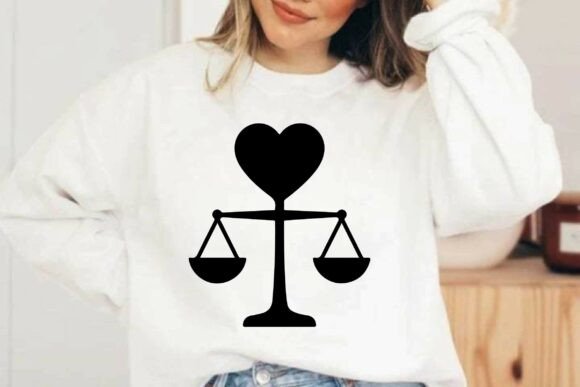
As a designer who spends half my life staring at digitized files and the other half troubleshooting stitch errors, I have developed a healthy skepticism toward digital assets labeled as "unique" or "high-quality." When I first encountered Free Scales Clipart Vector Sublimation, categorized under Freebies and Graphics, I didn’t immediately think about embroidery. The title suggests sublimation printing—a heat transfer process for polyester fabrics—but in the world of handmade commerce, boundaries are often blurred. Many crafters look for versatile design assets that can be adapted across mediums. So, I put this vector file through its paces to see how it translates from a screen to the needle plate of an embroidery machine.
First Impressions: Visual Personality and Mood
The immediate visual impact of Free Scales Clipart Vector Sublimation is one of organic elegance. Unlike rigid geometric patterns or overly cartoonish clipart, this design carries a fluid, natural rhythm. The scales evoke themes of growth, protection, and aquatic beauty, creating a mood that is both calming and sophisticated. For a designer, this versatility is key. It doesn’t scream for attention; instead, it invites closer inspection.
From a layout perspective, the vector nature of the file ensures clean lines and scalable proportions. This is crucial when we talk about adapting a graphic meant for sublimation into an embroidery project. While sublimation relies on ink saturation, embroidery relies on thread texture and density. The initial structure of Free Scales Clipart Vector Sublimation appears robust enough to handle digitization without losing its essential character, provided the digitizer understands how to interpret the curves.
Real-World Application: From Screen to Stitch
I wanted to test this design in a scenario that mirrors real-world demand: creating a boutique line of custom apparel and accessories. Specifically, I envisioned using Free Scales Clipart Vector Sublimation for a series of personalized gifts and small shop products. Here is how I see it performing in specific contexts:
- Tote Bag Design: A large canvas tote bag offers ample space for a detailed machine embroidery design. Placing the scales motif centrally or along the side seam creates a high-end, artisanal look. The contrast between the rough texture of canvas and the smooth sheen of embroidery thread would elevate the perceived value of the item.
- Sweatshirt Embroidery: For cozy, oversized hoodies, this design works beautifully as a subtle chest logo or a larger back print. The theme fits well with wellness, yoga, or nature-inspired brands. However, on textured fabrics like fleece, the detail level must be managed carefully to ensure clarity.
- Baby Embroidery: There is a growing market for gentle, nature-themed baby items. Using Free Scales Clipart Vector Sublimation on a muslin blanket or a soft cotton onesie can create a memorable keepsake. The soft curves of the scales are less aggressive than sharp spikes, making them suitable for nursery decor and personalized gift items.
- Embroidered Patch: Converting this vector into an embroidered patch for denim jackets or backpacks is another strong use case. Patches allow for bold outlines and distinct color blocking, which can help define the individual scales if the original vector lacks sufficient internal separation.
In these scenarios, the design acts as a foundational asset. It enhances the handmade product by adding a layer of professional polish. Customers today are discerning; they can tell the difference between a generic stamp and a thoughtfully executed custom apparel piece. A well-digitized version of this clipart signals attention to detail, boosting customer trust and brand consistency.
Technical Challenges and Where to Be Careful
While the aesthetic appeal is clear, translating a vector intended for flat printing into 3D thread work introduces challenges. As an experienced reviewer, I must highlight where Free Scales Clipart Vector Sublimation requires careful handling.
First, consider the hoop size. If you attempt to stitch this design too small, you risk losing the integrity of the shape. Tiny details may merge together, turning distinct scales into a muddy blob. Conversely, on very large formats, the design might feel sparse if not balanced with adequate negative space. Always confirm the hoop size limitations of your machine before committing to a large production run.
Fabric choice is equally critical. This design may struggle on stretchy knits or highly textured materials like heavy wool or boucle. On stretchy fabric, the tension required for satin stitch borders can cause puckering, distorting the delicate lines of the scales. Similarly, on dark fabrics, light-colored threads may require excessive underlay stitches, which can bulk up the fabric and make it stiff. If you are working with dark fabric, plan for a stabilizing base or a contrasting background applique to ensure the design pops.
Another area of concern is stitch density. Because the original file is a vector graphic, it likely contains thin lines. In embroidery, thin lines often translate to running stitch or narrow satin stitch. If the stitch density is too low, the underlying fabric may show through, ruining the visual appeal. If it is too high, the fabric may pucker or the needle may break. You must review the digitization closely to ensure the fill stitch areas are balanced correctly.
Practical Designer Notes for Success
To get the best result from Free Scales Clipart Vector Sublimation, follow these practical steps before finalizing your finished product:
- Test on Scrap Fabric: Never go straight to the final garment. Stitch the design on a scrap of the same material to check for tension issues, puckering, or thread breaks.
- Check Thread Color Contrast: Use a digital mockup or a physical swatch to ensure your chosen thread colors provide enough contrast against the fabric. Low contrast can make the design look washed out.
- Inspect Small Details: Zoom in on the digitized file. Are the corners of the scales sharp? Is there enough clearance between elements? Adjusting the digitization to simplify overly complex curves can improve durability.
- Use Proper Stabilizer: Depending on the fabric weight, select the appropriate cut-away or tear-away stabilizer. This is non-negotiable for maintaining the shape of the design over time.
- Verify Licensing: Since this is listed under Freebies, you must verify the license terms. Can you sell finished items? Can you use it in commercial embroidery projects? Clarifying this protects your craft business from legal issues.
Final Verdict
Free Scales Clipart Vector Sublimation is a versatile, aesthetically pleasing asset that holds significant potential for embroidery designers willing to invest time in proper digitization. It is not a plug-and-play solution for every situation, but rather a design foundation that rewards careful execution. For Etsy sellers, small shop owners, and creative entrepreneurs, it offers a unique way to differentiate their design assets and engage buyers with something more refined than standard clipart.
When used on the right fabrics, within the correct hoop size constraints, and with appropriate stabilizer support, this design can elevate everything from a simple tote bag design to a high-end holiday embroidery gift. It bridges the gap between digital convenience and tactile craftsmanship, proving that even a file originally intended for sublimation can thrive in the realm of thread and needle. Just remember: the quality of the final output depends entirely on the care taken during the preparation phase.