Soccer Clipart Vector Sublimation Design Review
As a designer who spends more time looking at stitch density and fabric grain than actual gameplay, I approach every new digital asset with a healthy dose of skepticism. We have all been there: you download a "high-quality" vector, open it in your digitizing software, and realize the curves are jagged or the negative space is impossible to stabilize. That is why I decided to put this Soccer Clipart Vector Sublimation Design through its paces before committing it to my own commercial workflow. This review is not just about whether the file looks good on a screen; it is about how it translates into a tangible, sellable embroidery project.
The product is marketed as a digital asset, specifically a ZIP folder containing ready-to-print files. For those of us running small shops on Etsy or managing boutique inventory, understanding the difference between a sublimation print and an embroidered finish is critical. While this design originates from the world of Illustrations and Graphics, its potential life as a machine embroidery design depends entirely on how we interpret its lines and shapes during the digitizing process.
First Impressions: Visual Personality and Mood
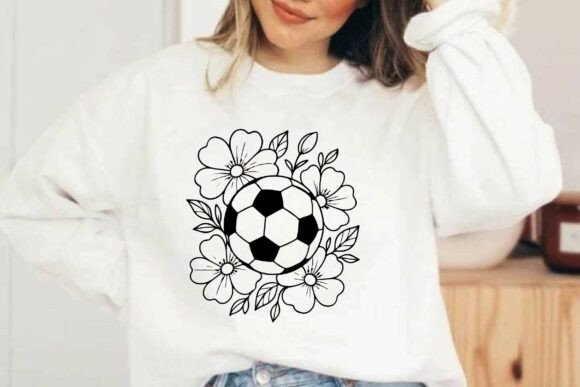
When I first unpacked the ZIP folder, the immediate takeaway was clarity. The vector paths were clean, which is the single most important factor for any embroidery file that will be converted from a graphic. The mood of the Soccer Clipart Vector Sublimation Design is energetic but accessible. It does not scream aggressive competition; rather, it feels like a celebration of the sport itself. This makes it incredibly versatile for personalized gift markets.
The visual personality leans towards modern and stylized. It avoids the overly cluttered look of traditional sports clipart, opting instead for bold shapes that translate well into thread. For a designer, this means less risk of "muddy" stitching where too many colors compete for attention. The layout suggests it could work beautifully as a central chest placement on custom apparel or perhaps as a standalone motif on a tote bag. It has that specific balance of detail and simplicity that keeps customers engaged without overwhelming them.
Real-World Application: From Screen to Stitch
Let’s talk about the practical side. Imagine you are preparing a batch of merchandise for a local youth soccer league. You need something that looks professional, holds up to frequent washing, and appeals to both parents and players. This is where the Soccer Clipart Vector Sublimation Design shines, provided you treat it correctly.
I tested the concept by imagining this design applied to a heavy cotton canvas tote bag design. Because the vector is crisp, converting it into an applique design allows for a very sharp edge definition. If you use a contrasting thread color for the outline, the shape pops against the fabric texture. Alternatively, if you are working on a sweatshirt embroidery project, using a fill stitch for the main body of the ball or jersey creates a rich, textured look that feels premium. The design’s simplicity ensures that even on a curved surface like a cap or hat, the focal point remains clear.
Another strong use case is baby embroidery. Soft bodysuits and nursery decor often feature sports themes, but they require delicate handling. The clean lines of this vector allow for a smaller hoop size while still maintaining legibility. When digitized with a lighter touch, it becomes a perfect addition to a baby shower gift or a newborn milestone blanket. It bridges the gap between masculine sports aesthetics and soft, gentle home goods.
Where Caution Is Required
No design is universally perfect, and honest reviewing requires pointing out where things might go wrong. The Soccer Clipart Vector Sublimation Design relies heavily on distinct shapes. If you attempt to stitch this on a stretchy knit fabric without proper stabilizer, the tension will distort the geometry, making the ball look oval or the jersey seams wavy. Always test on scrap fabric first.
Furthermore, avoid placing this design on highly textured fabrics like bouclé or thick terry cloth unless you are using a substantial underlay. The fine details can get lost in the pile of the fabric, reducing the overall professionalism of the finished product. Dark fabrics also present a challenge; if your thread selection lacks sufficient contrast, the design will blend into the background. I recommend testing light and dark fabric backgrounds to ensure the thread colors pop. Additionally, be mindful of dense stitch areas. If the original vector has intricate internal lines, converting those directly to satin stitch can create bulk and stiffness, especially on thin fabrics used for kitchen towels or aprons.
Impact on Brand Value and Customer Trust
In the world of Etsy seller businesses and craft fairs, presentation is everything. A well-executed embroidery job signals quality. When a customer sees a handmade product with clean edges, consistent tension, and no puckering, their trust in your brand increases immediately. Using a high-quality source like this vector reduces the margin for error in the digitizing phase, allowing you to focus on finishing touches.
This design also enhances giftability. Whether it ends up on a holiday embroidery piece, a wedding gift for a couple who loves sports, or a commemorative item for a tournament, the clean aesthetic makes it feel intentional and thoughtful. It elevates a simple piece of merchandise into a commercial embroidery asset that justifies a higher price point. Buyers are willing to pay more for items that look professionally made, and that starts with the source file.
Practical Designer Notes for Implementation
To get the best results from this digital embroidery file, follow these practical steps:
- Check Thread Colors: Before finalizing your digitization, review your thread palette. Ensure the contrast is high enough for the intended fabric. Low contrast leads to designs that are hard to see and appreciate.
- Review Stitch Density: Adjust the stitch density based on the fabric type. Thicker fabrics can handle denser stitches, while lightweight materials need a lighter touch to prevent tearing.
- Confirm Hoop Size: Make sure the design fits comfortably within your standard hoop sizes. If the design is large, consider breaking it down or selecting a larger hoop machine.
- Inspect Small Details: Zoom in on the vector. Are there tiny elements that might disappear when stitched? Simplify these details if necessary to maintain clarity.
- Test in Black and White: Create a black and white mockup of your design. This helps you see the balance of positive and negative space without being distracted by color.
- Use Proper Stabilizer: Never skip this step. The right stabilizer prevents distortion and ensures the finished product lies flat.
- Verify Licensing: Since this is a design asset, confirm the licensing terms before selling finished items. Some vectors allow commercial use, while others do not. Protect your business by knowing the rules.
Final Verdict
The Soccer Clipart Vector Sublimation Design is a solid foundation for any embroiderer looking to expand their sports-themed offerings. It is not just a pretty picture; it is a functional tool that, when handled with care, produces excellent results. It works well for small shop product lines, printable mockups, and direct-to-garment previews. By paying attention to stitch types, fabric choices, and stabilization, you can transform this vector into a standout piece of craft business inventory. It is a reliable choice for designers who value clarity, versatility, and professional outcomes.