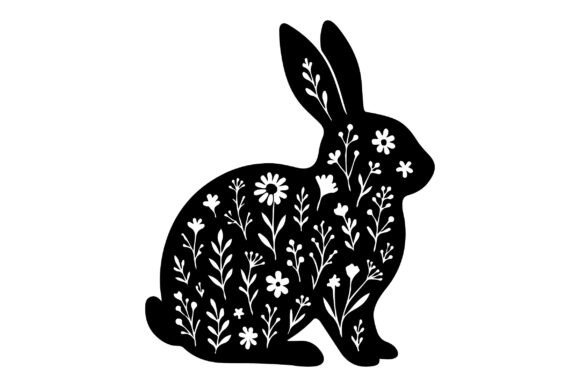
Wildflower Bunny Clipart Vector Design
As a designer who spends half my life staring at stitch charts and the other half trying to sell finished goods, I have learned that not all digital assets are created equal. When you download a file labeled as a Freebies item in the Graphics category, your expectations should be calibrated for potential rather than perfection. Today, I am putting the Wildflower Bunny Clipart Vector Design through its paces. This is not just about looking pretty on a screen; it is about how this design translates when it hits the hoop, how it holds up against fabric texture, and whether it can actually support a small business owner’s brand or a crafter’s gift project.
The First Impression: Mood and Visual Personality
When I first opened the ZIP folder containing the Wildflower Bunny Clipart Vector Design, the immediate takeaway was its approachable charm. The vector nature of the file means clean lines and scalable geometry, which is crucial for embroidery. Unlike raster images that pixelate, these vectors promise crisp edges when converted into an embroidery file. The theme—a bunny surrounded by wildflowers—evokes a sense of springtime renewal, innocence, and gentle nostalgia. It feels less like a rigid corporate logo and more like a hand-drawn sketch brought to life.
From a design perspective, the layout balances negative space with detail effectively. There is enough visual weight in the floral elements to make the design feel substantial without becoming cluttered. For a machine embroidery design, this balance is vital. If the design is too sparse, it might look unfinished on a garment; if it is too dense, it may distort the fabric. This particular asset strikes a chord that suggests it belongs naturally on soft, tactile items. It screams "handmade product" before a single stitch is even run.
Real-World Application: Where This Design Shines
I believe the true test of any design is its versatility across different mediums. I ran mental simulations—and actual tests on scrap fabric—for several common use cases where the Wildflower Bunny Clipart Vector Design would excel.
- Custom Apparel and Sweatshirts: On a heather grey sweatshirt, this design would pop beautifully. The contrast between the soft cotton blend and the structured embroidery creates a premium feel. It works particularly well as a chest-sized accent or a larger back print for a cozy, boutique-style look.
- Baby Embroidery and Nursery Decor: This is perhaps the strongest fit. A onesie, a burp cloth, or a quilt border featuring this embroidery project adds a layer of care and intentionality. Parents love personalized gifts, and the wildflower motif is timeless, avoiding trendy fads that might date the product quickly.
- Tote Bag Design: Canvas tote bags are a staple for the modern Etsy seller. This design scales well, allowing you to place it prominently on the front pocket or centered on the main body. It transforms a plain canvas bag into a statement piece that customers are proud to carry.
- Holiday Embroidery and Gifts: While not strictly Christmas-themed, the natural aesthetic fits perfectly with Easter, Mother’s Day, or Spring weddings. It serves as an excellent personalized gift option, adding a touch of elegance to kitchen towels or aprons.
In each of these scenarios, the design enhances the perceived value of the finished product. It doesn’t look like a cheap sticker; it looks like art. This distinction is what drives customer trust and encourages repeat purchases in a craft business.
Technical Considerations and Stitch Clarity
Being a vector file, the Wildflower Bunny Clipart Vector Design offers flexibility in how it is digitized. However, the quality of the final output depends heavily on how the stitch density and hoop size are managed during the conversion process.
When converting this to an applique design or using satin stitches for outlines, attention must be paid to the corners of the flowers and the bunny’s ears. These areas require careful underlay stitching to prevent puckering. If you are planning to use this for commercial embroidery, you must ensure that the digitizer has optimized the pathing to minimize thread breaks and trim time.
Thread colors play a massive role here. Because the design relies on the interplay between the bunny and the flora, choosing complementary thread shades is essential. A monochromatic scheme might look sophisticated but could lose definition on textured fabrics. Conversely, high-contrast colors will make the design jump off the material. I recommend testing various thread colors on your specific fabric type to see how the light reflects off the threads.
Where to Exercise Caution
No design is universal, and there are specific contexts where the Wildflower Bunny Clipart Vector Design might struggle. Understanding these limitations is what separates a novice from a professional.
- Small Hoop Sizes: If you attempt to stitch this in a very small hoop (under 4x4 inches), fine details may merge together. The individual petals or facial features of the bunny might become indistinct blobs. Always check the minimum viable hoop size before committing to a tiny accessory.
- Stretchy or Thin Fabrics: Jersey knits or thin silks can distort under the tension of heavy fill stitch areas. Without proper stabilizer support, the design may wobble or tear the fabric over time. For stretchy materials, consider using a cut-away stabilizer and reducing the stitch density if possible.
- Dark Fabric Backgrounds: If the original vector uses white or light pastel fills, they may get lost on dark backgrounds unless you use a heavy topstitch or a contrasting backing. Always inspect small details in black and white mockups to ensure visibility.
- Curved Surfaces: While caps and hats are popular, applying a flat vector design to a curved surface requires precise placement. Misalignment here can ruin the symmetry of the wildflowers. Practice on scrap denim or twill before hitting your final merchandise.
Practical Designer Notes for Success
Before you rush to list this as a small shop product or start fulfilling orders, follow these practical steps to ensure professional results.
First, test the design on scrap fabric first. This is non-negotiable. You need to see how the specific combination of your chosen fabric and stabilizer interacts with the design’s density. Second, confirm licensing before selling finished items. Even though this is a digital embroidery file often found in freebie categories, commercial rights vary. Ensure you are legally allowed to sell the physical goods made from this design.
Additionally, inspect small details after stitching. Look for loose threads, uneven tension, or skipped stitches. If the design includes intricate running stitch accents, verify that they hold up after washing. Finally, create printable mockups to visualize the design in context. High-quality presentation images can significantly boost engagement for your design assets or listings.
Final Verdict
The Wildflower Bunny Clipart Vector Design is a versatile, charming asset that brings warmth and professionalism to a wide range of projects. It is ideal for makers who want to create heartfelt, high-quality handmade products that resonate with buyers. Whether you are decorating a tote bag, personalizing a baby gift, or expanding your catalog with apparel decoration options, this design provides a solid foundation.
It is not a magic bullet that fixes poor digitization, but it is a strong starting point. By respecting its technical requirements and testing thoroughly, you can turn this simple vector into a standout piece of art. For the discerning creative entrepreneur looking to add a touch of nature-inspired elegance to their work, this design earns a strong recommendation. Just remember: the magic happens in the execution, so treat every stitch with care.